Understanding Alzheimer's Disease and Supporting Those Who Live With It
By Robert D. Liken CPC, CTS, President
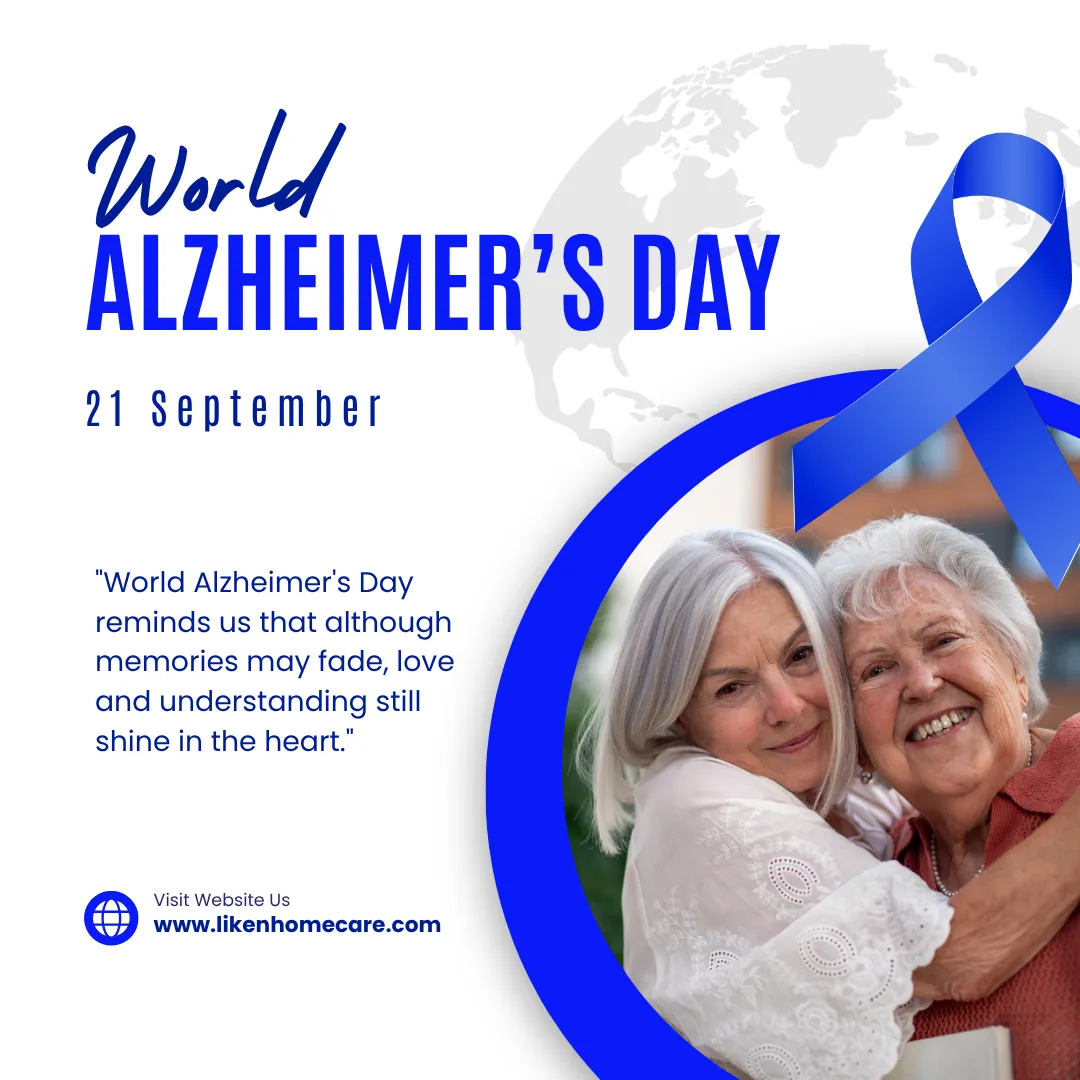
Every year on September 21, people around the world observe World Alzheimer's Day to raise awareness about Alzheimer's disease, reduce stigma, and encourage greater support for individuals living with dementia and the families who care for them.
Alzheimer's disease affects millions of people worldwide and is one of the leading causes of cognitive decline in older adults. While there is currently no cure, early diagnosis, appropriate care, and a supportive environment can help individuals maintain their quality of life and independence for as long as possible.
At Liken Home Care, we believe that education, compassion, and personalized care are essential in helping seniors and their families navigate the challenges of Alzheimer's disease.
What Is Alzheimer's Disease?
Alzheimer's disease is a progressive brain disorder that gradually affects memory, thinking, reasoning, and the ability to perform everyday tasks. It is the most common cause of dementia, accounting for an estimated 60–80% of dementia cases.
Although memory loss is a common symptom, Alzheimer's is much more than occasional forgetfulness. As the disease progresses, it can affect communication, decision-making, behavior, and physical functioning.
While Alzheimer's most commonly affects adults over the age of 65, it is not a normal part of aging.
Early Signs and Symptoms
Recognizing the early warning signs of Alzheimer's can lead to earlier evaluation, treatment, and care planning. Some common symptoms include:
Memory loss that disrupts daily life
Difficulty completing familiar tasks
Trouble finding the right words during conversations
Confusion about time or place
Misplacing items and being unable to retrace steps
Poor judgment or decision-making
Changes in mood, personality, or behavior
Withdrawal from social activities or hobbies
Experiencing one or more of these symptoms does not necessarily mean a person has Alzheimer's disease, but it is important to consult a healthcare professional for a proper evaluation.
How Alzheimer's Changes Daily Life
As Alzheimer's progresses, everyday routines become increasingly challenging. Individuals may need assistance with personal care, meal preparation, medication management, transportation, and maintaining a safe living environment.
Many people also experience confusion, anxiety, or frustration as their abilities change. A structured routine, familiar surroundings, and patient, compassionate communication can help reduce stress and promote a greater sense of security.
The Importance of Family Caregivers
Family members often become the primary caregivers for loved ones with Alzheimer's disease. While caregiving can be deeply meaningful, it can also be physically, emotionally, and mentally demanding.
Common challenges include:
Managing changing behaviors
Providing constant supervision
Coordinating medical appointments
Assisting with daily activities
Balancing caregiving with work and family responsibilities
Seeking support is an important part of caregiving. No one should feel they have to manage Alzheimer's care alone.
How Home Care Supports Individuals Living With Alzheimer's
Professional home care can provide valuable assistance while allowing individuals to remain in the comfort and familiarity of their own homes.
Depending on each person's needs, caregivers can help with:
Personal care and hygiene
Medication reminders
Meal planning and preparation
Light housekeeping
Meaningful companionship
Safety monitoring and fall prevention
Encouraging daily routines and cognitive engagement
Respite care for family caregivers
Consistent, compassionate support can help reduce stress for both seniors and their families while promoting dignity and quality of life.
Tips for Supporting Someone With Alzheimer's
Whether you're a family member or professional caregiver, these strategies can make daily interactions more positive:
Maintain a consistent daily routine.
Speak calmly and use simple, clear language.
Offer choices instead of open-ended questions.
Encourage independence whenever it is safe to do so.
Create a safe, uncluttered home environment.
Focus on the person's abilities rather than their limitations.
Be patient and respond with empathy during moments of confusion.
Small acts of understanding can make a significant difference in helping someone with Alzheimer's feel respected, secure, and valued.
Raising Awareness, Inspiring Compassion
World Alzheimer's Day reminds us that behind every diagnosis is a person with a lifetime of experiences, relationships, and memories. It also reminds us that families and caregivers deserve support, education, and encouragement as they navigate the challenges of dementia care.
By increasing awareness, reducing stigma, and promoting access to compassionate care, we can help create communities where individuals living with Alzheimer's are treated with dignity and respect.
At Liken Home Care, we are committed to providing personalized home care that supports seniors living with Alzheimer's disease while giving families the confidence and peace of mind they need. This World Alzheimer's Day, we honor those living with Alzheimer's, recognize the dedication of caregivers, and encourage everyone to learn more about this disease and the importance of early support.
Liken Home Care
Care that feels like home.
